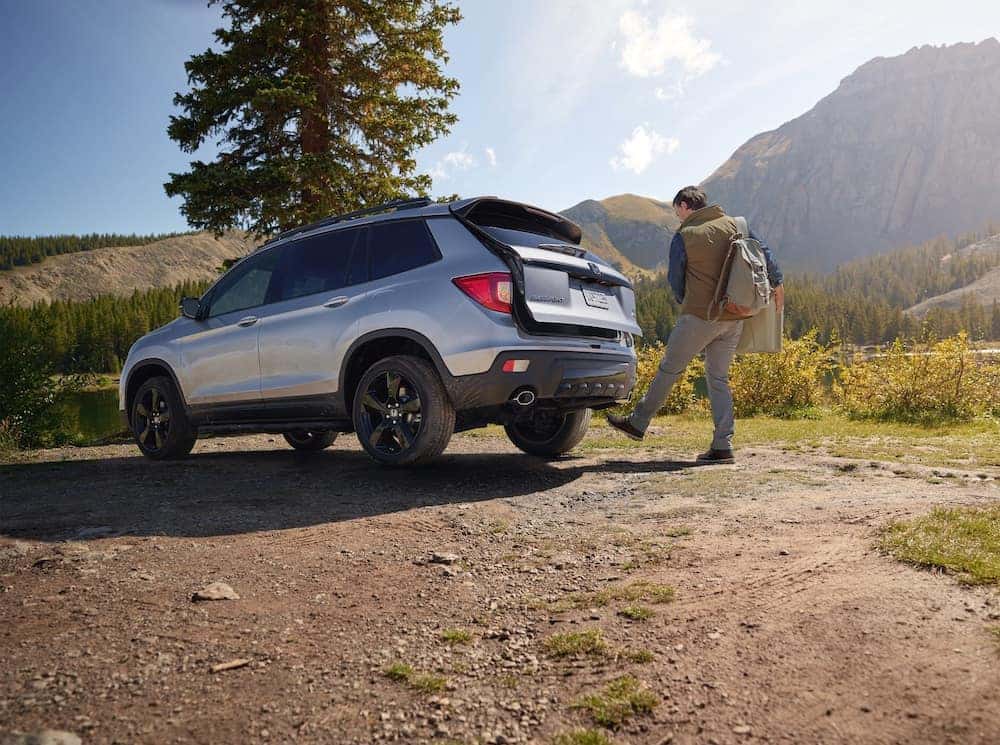
You’re navigating the streets of Westminster, California, or cruising down Pacific Coast Highway toward Huntington Beach, and you want an SUV that fits your lifestyle. At Norm Reeves Honda Superstore Huntington Beach, you’ll find two standout contenders: the Honda Passport and the Jeep Grand Cherokee.
This article offers clear insight into how they compare, enabling you to make an informed decision about which vehicle best suits your daily routine, family outings, and weekend adventures near Orange County.
When you step into the front seat of the Honda Passport, you’ll enjoy 39.5 inches of headroom. In the second row, it measures 40.0 inches. Those numbers mean you’ll feel comfortable if you’re tall or carrying a roof-mounted cargo box (try loading surf gear in Huntington Harbour).
Meanwhile, the Jeep Grand Cherokee offers 39.9 inches up front and 39.4 inches in the rear. While both vehicles deliver respectable headroom, the Passport offers a slight edge in second-row roof clearance, which can be beneficial when you have tall passengers or want a more spacious feel.
In practical terms, if you often have friends or family riding in back for long drives or errands around Orange County, that extra space overhead in the Passport becomes noticeable.
For the Honda Passport, front legroom measures 40.9 inches, and rear legroom measures 39.6 inches. That means you and your front-seat passenger can stretch out, and your rear-seat riders will have solid comfort too.
With the Jeep Grand Cherokee, you’ll get 41.3 inches up front but only 38.2 inches in the rear. So if you’re frequently transporting adult passengers in the back, such as friends heading out for brunch in Orange County or a day at the beach, the Passport offers better rear-seat comfort.
The Jeep still offers ample front-seat space, but rear legroom is somewhat limited. You might feel that crunch when you’re trying to accommodate taller family members or need space for gear between legs.
Cargo space plays a big role when you’re loading beach gear in Huntington Beach, packing for weekend trips, or managing student drop-offs around Westminster. The Passport provides 44.0 cu ft of cargo volume behind the rear seats (according to recent dimension reports), offering generous space for gear.
The Jeep Grand Cherokee offers 37.7 cu ft in its standard two-row configuration. That means if you regularly carry larger items, such as surfboards, lawn equipment, or bulky groceries, you’ll appreciate the extra volume in the Passport. The Jeep remains capable, but if cargo flexibility is a frequent priority, the Passport provides a more user-friendly experience for everyday needs.
The Passport comes standard with Honda’s “Honda Sensing®” suite of driver-assist features (e.g., adaptive cruise control, lane-keeping assist) across trims. The Grand Cherokee offers strong safety features, but standard/optional items vary more by trim, especially when you consider advanced off-road or hybrid packages.
Daily resident driving in Orange County often involves a mix of city, suburban, and occasional freeway use. Maneuverability, visibility, and comfort can make a significant difference. The two-row Passport may provide easier parking and better everyday usability for a “full-time family SUV.”
The Passport benefits from the broader reputation of the Honda brand for reliability, stronger resale values, and fewer optional complexities (single engine/drive layout), which can simplify ownership. The Grand Cherokee brings prestige and capability, but depending on trim, it may incur higher maintenance costs. Additionally, the 2025 Honda Passport has been named one of U.S. News & World Report’s Best Cars for the Money.*
And when you’re deciding on Honda Passport vs Jeep Grand Cherokee at Norm Reeves Honda Superstore Huntington Beach, you’ll find our team ready to help you explore each one side-by-side in Westminster, Orange County, and Huntington Beach, CA. Reach out today to schedule a test drive and review our financing tools. Let’s ensure the SUV you choose aligns with your lifestyle.